July 21, 2026
Best Digital Marketing Channels for Small Businesses
Milaaj Editorial / Research Insights
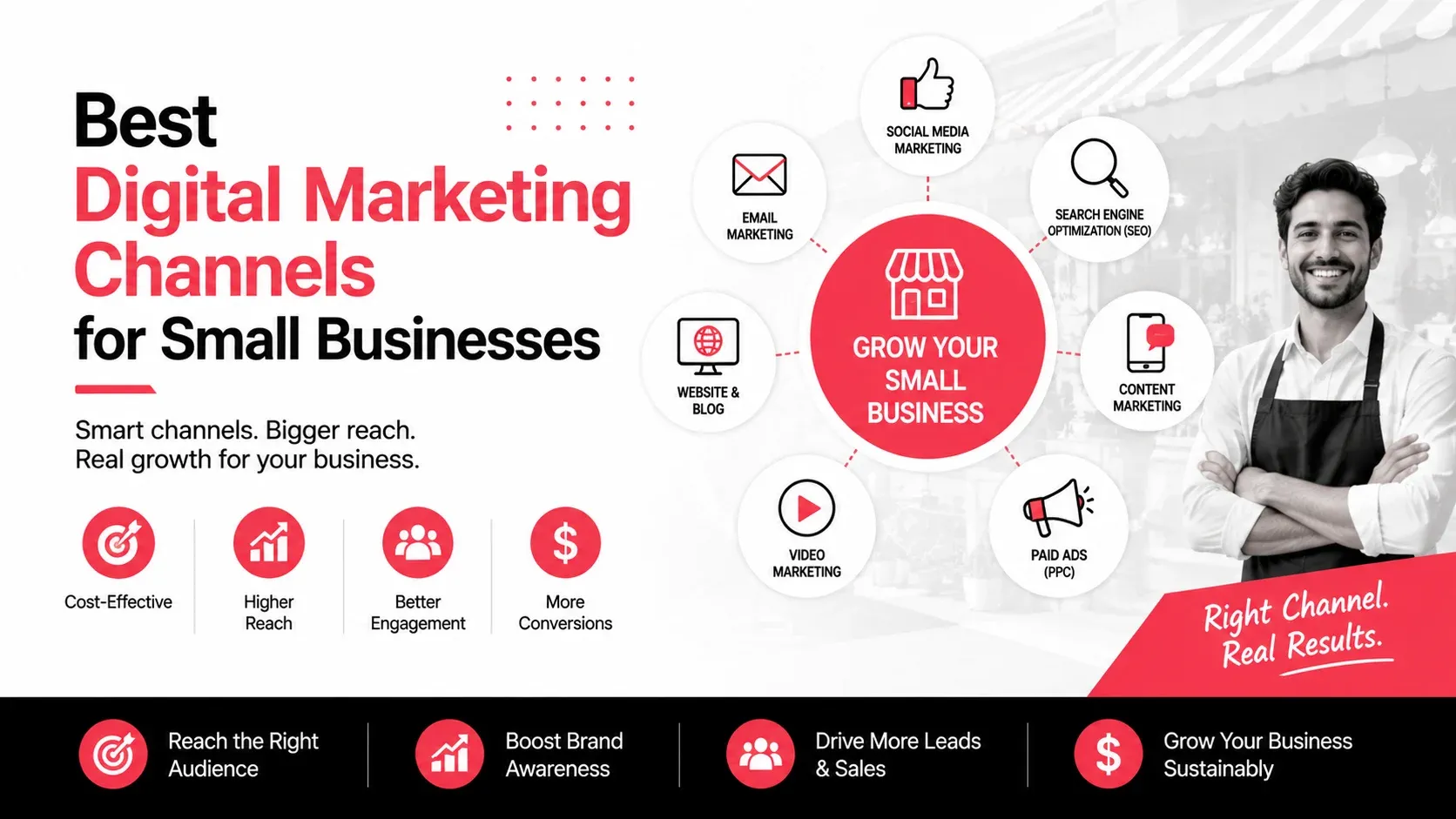
Growing a small business requires more than having a great product or service. It also requires reaching the right audience through the right marketing channels. With so many digital marketing options available, it's easy to spread your budget too thin or invest in strategies that don't align with your business goals.
The good news is that small businesses don't need to use every marketing channel. Instead, success often comes from selecting a few channels that match your audience, budget, and long-term objectives.
This guide explores the most effective digital marketing channels for small businesses, explains when each works best, and helps you choose the right combination for sustainable growth.
Quick Answer
The best digital marketing channels for small businesses include SEO, content marketing, email marketing, social media marketing, PPC advertising, and local SEO for location-based businesses. The ideal mix depends on your target audience, marketing goals, available budget, and how quickly you need results.
Why Choosing the Right Marketing Channels Matters
Every marketing channel has its strengths.
Some generate immediate traffic, while others build long-term visibility and customer relationships.
Choosing the right channels helps businesses:
- Reach their ideal audience
- Maximize marketing budgets
- Generate qualified leads
- Improve brand awareness
- Build customer trust
- Support long-term business growth
Instead of trying every platform, focus on the channels most likely to achieve your business objectives.
Factors to Consider Before Selecting a Marketing Channel
Before investing in digital marketing, evaluate your business needs carefully.
Business Goals
Start by identifying what you want to achieve.
Common goals include:
- Increasing website traffic
- Generating enquiries
- Growing online sales
- Building brand awareness
- Improving customer retention
Your objectives influence which marketing channels will deliver the best results.
Budget
Some channels require ongoing advertising spend, while others primarily require time and consistent effort.
For example:
- SEO typically requires long-term investment.
- PPC advertising involves continuous ad budgets.
- Email marketing often has relatively low operating costs.
- Content marketing requires consistent content creation.
Understanding your available budget helps prioritize the most practical options.
Target Audience
Different audiences engage with different platforms.
Ask questions such as:
- Where does my audience spend time online?
- How do they search for products or services?
- Do they prefer educational content or quick updates?
- Are they researching before buying or ready to purchase immediately?
Choosing channels that match audience behavior improves marketing efficiency.
Time Investment
Not every marketing channel delivers immediate results.
SEO and content marketing often require patience before producing significant traffic.
Paid advertising may generate faster visibility but usually stops producing results once campaigns end.
Understanding these timelines helps set realistic expectations.
Best Digital Marketing Channels for Small Businesses
Each marketing channel serves a different purpose within a broader digital strategy.
Search Engine Optimization (SEO)
SEO helps websites appear in organic search results when users look for relevant information, products, or services.
Benefits include:
- Long-term organic traffic
- Increased brand visibility
- Higher website credibility
- Sustainable lead generation
Although SEO requires ongoing effort, it often provides lasting value long after content is published.
Businesses investing in professional SEO services can improve their website's visibility while creating a stronger foundation for long-term growth.
Content Marketing
Content marketing focuses on creating valuable resources that educate, inform, or solve problems for potential customers.
Examples include:
- Blog articles
- Buying guides
- Case studies
- Videos
- Checklists
Quality content helps businesses:
- Build authority
- Attract organic traffic
- Support SEO
- Answer customer questions
- Nurture potential buyers
Unlike direct advertising, content marketing creates long-term assets that continue attracting visitors over time.
Email Marketing
Email remains one of the most effective channels for maintaining relationships with existing customers and nurturing prospective buyers.
Businesses commonly use email marketing to:
- Share newsletters
- Promote offers
- Deliver educational content
- Announce product updates
- Re-engage inactive customers
Because recipients have already shown interest in your business, email often delivers strong engagement when campaigns provide genuine value.
Social Media Marketing
Social media platforms help businesses build brand awareness and interact directly with their audience.
Common uses include:
- Sharing educational content
- Highlighting products
- Promoting company updates
- Engaging with customers
- Building community
Rather than trying to maintain a presence on every platform, focus on the networks where your target audience is most active.
Pay-Per-Click (PPC) Advertising
PPC advertising places your business in front of users searching for specific products or services.
Advantages include:
- Immediate visibility
- Precise audience targeting
- Flexible budgeting
- Measurable performance
PPC is particularly useful for businesses launching new products, promoting seasonal offers, or generating short-term traffic while longer-term SEO efforts develop.
Local SEO
For businesses serving customers within a specific geographic area, local SEO can become one of the highest-performing marketing channels.
Local SEO focuses on improving visibility for searches with local intent, helping businesses appear in location-based search results and map listings.
Restaurants, clinics, home service providers, and retail stores often benefit significantly from local search optimization because nearby customers are actively looking for their services.
Comparing Popular Digital Marketing Channels
Each marketing channel contributes differently to business growth.
Marketing Channel | Best For | Long-Term Value |
|---|---|---|
SEO | Organic traffic | High |
Content Marketing | Brand authority | High |
Email Marketing | Customer retention | High |
Social Media | Brand awareness | Medium |
PPC Advertising | Immediate visibility | Medium |
Local SEO | Location-based businesses | High |
Rather than selecting a single channel, many successful businesses combine several strategies based on their goals and available resources.
Which Marketing Channel Should You Prioritize?
The best digital marketing channel depends on your business objectives rather than current trends.
Consider these general recommendations:
- Want long-term organic growth? Prioritize SEO and content marketing.
- Need faster visibility? Consider PPC advertising.
- Want to retain existing customers? Focus on email marketing.
- Looking to increase brand awareness? Build a consistent social media presence.
- Serve customers in specific locations? Invest in local SEO alongside your website.
For many small businesses, starting with two or three complementary channels is more effective than trying to manage every available platform.
Build an Integrated Marketing Strategy
Digital marketing channels work best when they support one another rather than operating independently.
For example:
- SEO helps attract organic visitors.
- Content marketing answers their questions and builds trust.
- Email marketing keeps prospects engaged.
- Social media expands content reach.
- PPC campaigns provide additional visibility for high-priority offers.
When these channels work together, businesses create multiple opportunities for potential customers to discover and engage with their brand.
Businesses looking to coordinate these activities often benefit from a structured digital marketing strategy that aligns campaigns with measurable business goals.
Common Digital Marketing Mistakes
Many small businesses struggle with digital marketing because they spread their efforts too widely or focus on short-term tactics.
Mistake | Better Approach |
|---|---|
Trying every marketing channel | Focus on the channels that match your audience and goals |
Expecting immediate SEO results | Treat SEO as a long-term investment |
Publishing inconsistent content | Maintain a realistic content schedule |
Ignoring performance data | Review analytics and adjust strategies regularly |
Focusing only on acquiring customers | Invest in customer retention through email and valuable content |
Measuring vanity metrics alone | Track leads, conversions, and business outcomes |
Avoiding these common mistakes helps businesses use their marketing budget more effectively.
Measure Marketing Performance
Choosing the right marketing channels is only the beginning.
Monitor performance regularly using metrics such as:
- Website traffic
- Lead generation
- Conversion rate
- Customer acquisition cost
- Email engagement
- Organic keyword rankings
- Return on advertising spend
These insights help identify which channels deliver the strongest return and where improvements can be made.
If you're developing a long-term content strategy alongside your marketing efforts, Content Marketing Funnel Strategy for UAE Brands explains how different types of content support customers throughout the buying journey.
Key Takeaways
- The best marketing channel depends on your business goals, audience, budget, and timeline.
- SEO and content marketing provide sustainable long-term growth.
- PPC advertising delivers faster visibility but requires ongoing investment.
- Email marketing strengthens customer relationships and encourages repeat business.
- Social media supports brand awareness and audience engagement.
- Local SEO is especially valuable for businesses serving defined geographic areas.
- Combining complementary channels usually produces stronger results than relying on a single strategy.
Choose Marketing Channels That Support Long-Term Growth
There isn't a universal "best" digital marketing channel for every small business. Success comes from understanding your audience, setting realistic objectives, and investing in strategies that align with your business model.
Rather than chasing every new platform or marketing trend, build a balanced strategy that combines channels capable of attracting, nurturing, and converting potential customers over time. Regular measurement and continuous refinement will help you maximize your marketing investment and adapt as your business grows.
Milaaj Brandset helps small businesses develop integrated digital marketing strategies that improve online visibility, strengthen customer engagement, and support sustainable business growth.
FAQs
Which digital marketing channel is best for small businesses?
There isn't a single best channel for every business. SEO, content marketing, email marketing, social media, PPC advertising, and local SEO all offer unique benefits depending on your goals and target audience.
Should small businesses invest in SEO?
Yes. SEO helps generate sustainable organic traffic and can continue delivering results long after content is published, making it a valuable long-term marketing investment.
Is social media enough for digital marketing?
No. While social media can increase brand awareness and engagement, combining it with channels like SEO, content marketing, and email marketing typically produces stronger long-term results.
Is PPC better than SEO?
PPC provides immediate visibility, while SEO focuses on long-term organic growth. Many businesses benefit from using both strategies together depending on their objectives and budget.
How many marketing channels should a small business use?
Most small businesses achieve better results by focusing on two or three well-managed channels rather than spreading resources across every available platform.
How do I know if my marketing strategy is working?
Track meaningful performance metrics such as website traffic, lead generation, conversion rate, customer acquisition cost, and return on investment to evaluate your marketing effectiveness.
Ready to Elevate Your Brand?
Start Your Project Today