July 22, 2026
Social Media Branding Strategies for Businesses
Milaaj Editorial / Research Insights
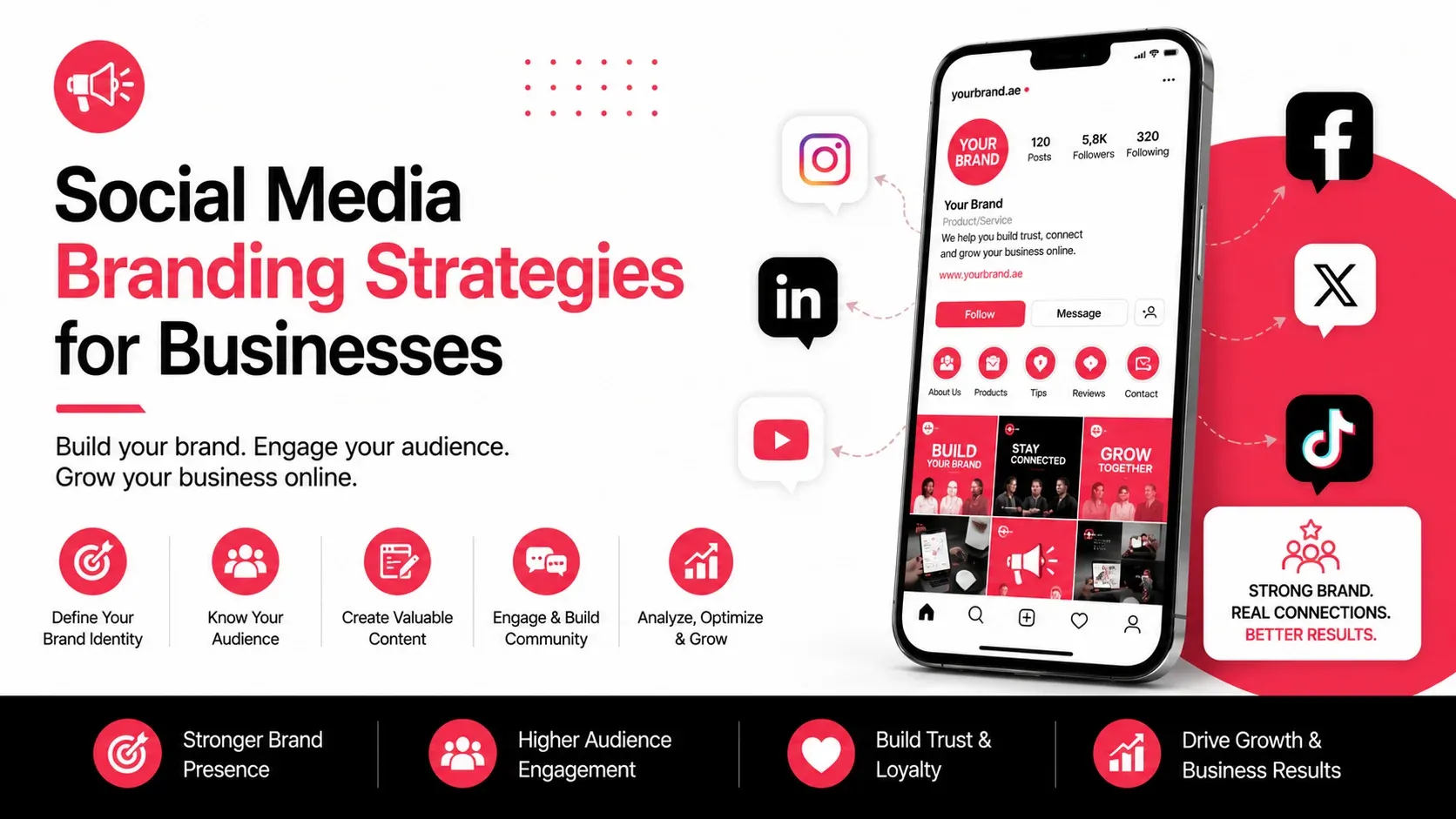
Social media has evolved far beyond a platform for sharing updates. Today, it plays a central role in how customers discover, evaluate, and remember businesses. Before visiting a website or making an enquiry, many people explore a company's social media profiles to understand its personality, credibility, and values.
Simply posting regularly isn't enough to build a recognizable brand. Successful businesses use social media strategically by maintaining consistent branding, publishing valuable content, engaging with their audience, and creating memorable experiences across every platform.
This guide explains practical social media branding strategies that help businesses strengthen their online presence and build lasting relationships with their audience.
Quick Answer
Social media branding involves creating a consistent identity across social platforms through visual design, brand messaging, valuable content, audience engagement, and community building. An effective strategy helps businesses increase recognition, strengthen trust, and remain memorable over time.
What Is Social Media Branding?
Social media branding is the process of presenting your business consistently across social platforms so audiences can easily recognize and remember your brand.
It combines several elements, including:
- Visual identity
- Brand voice
- Content style
- Audience interaction
- Posting consistency
- Customer experience
Rather than treating each platform independently, successful businesses create a unified experience that reflects their overall brand identity.
Why Social Media Branding Matters
Consumers often interact with a business multiple times before making a purchasing decision.
A strong social media presence helps businesses:
- Increase brand recognition
- Build credibility
- Develop customer trust
- Encourage audience engagement
- Support long-term business growth
- Create stronger customer relationships
When people repeatedly encounter a consistent brand, they're more likely to remember it when they need related products or services.
Choose the Right Social Media Platforms
Not every platform is suitable for every business.
Instead of trying to maintain an active presence everywhere, focus on platforms where your audience spends the most time.
For example:
- LinkedIn works well for B2B businesses and professional services.
- Instagram is ideal for visually driven brands.
- Facebook supports community engagement and local businesses.
- YouTube is effective for educational and long-form video content.
- TikTok may suit brands targeting younger audiences with creative content.
Choosing the right platforms allows businesses to invest their time and resources more effectively.
Create a Consistent Visual Identity
Your visual branding should remain consistent regardless of which platform customers use.
Maintain consistency in:
- Logo usage
- Brand colours
- Typography
- Cover images
- Profile photos
- Graphic styles
A recognizable visual identity helps audiences immediately associate content with your business, even before reading the caption.
Businesses investing in brand identity development often create comprehensive brand guidelines that keep every social profile visually consistent.
Develop a Distinct Brand Voice
Visual consistency attracts attention, but your communication style shapes how people perceive your business.
Your brand voice should reflect your company's personality.
Examples include:
- Professional
- Friendly
- Educational
- Inspirational
- Conversational
Whatever tone you choose, use it consistently across captions, comments, replies, and messages.
This consistency strengthens familiarity and makes your communication more authentic.
Build Content Around Core Themes
Posting random updates often leads to an inconsistent social presence.
Instead, organize your content into a few recurring themes or content pillars.
Examples include:
- Educational tips
- Industry insights
- Customer success stories
- Behind-the-scenes content
- Product demonstrations
- Frequently asked questions
These themes help maintain variety while reinforcing your expertise and brand identity.
If you're planning educational content to support your social media presence, our guide on How to Build Brand Awareness Online in UAE explains how consistent digital visibility contributes to long-term brand recognition.
Encourage Meaningful Engagement
Successful social media branding isn't measured only by follower count.
Focus on creating genuine conversations with your audience by:
- Responding to comments
- Answering questions
- Running polls
- Encouraging discussions
- Acknowledging customer feedback
Meaningful engagement builds stronger relationships while showing that your business values its community.
Maintain a Consistent Publishing Schedule
Consistency is more important than posting frequently for a short period and then becoming inactive.
Create a realistic content calendar that your team can maintain over the long term.
Benefits include:
- Better audience expectations
- Improved brand recall
- More balanced content planning
- Stronger platform activity
Regular publishing keeps your business visible without overwhelming your audience.
Social Media Branding Elements
A successful branding strategy combines several key components.
Element | Purpose |
|---|---|
Visual identity | Improves brand recognition |
Brand voice | Creates a consistent personality |
Content pillars | Reinforces expertise |
Audience engagement | Builds relationships and trust |
Posting consistency | Maintains visibility |
Community interaction | Encourages loyalty and advocacy |
When these elements work together, businesses create a stronger and more memorable presence across social media platforms.
Use User-Generated Content to Build Trust
One of the most effective ways to strengthen your brand on social media is by sharing content created by your customers.
User-generated content (UGC) demonstrates real experiences and helps potential customers see how others interact with your business.
Examples include:
- Customer photos
- Product reviews
- Video testimonials
- Success stories
- Social media mentions
- Before-and-after results
Always request permission before reposting customer content and acknowledge the original creator whenever possible.
Adapt Content for Each Platform
While your branding should remain consistent, the way you present content should match the platform.
For example:
- LinkedIn performs well with professional insights and industry updates.
- Instagram prioritizes visual storytelling.
- Facebook encourages community discussions.
- YouTube is suited for tutorials, demonstrations, and educational videos.
- TikTok favors short, creative, and engaging videos.
Repurposing content thoughtfully helps you reach different audiences while maintaining a unified brand identity.
Measure Your Branding Performance
Building a recognizable social media brand requires ongoing evaluation.
Track metrics such as:
- Profile reach
- Engagement rate
- Follower growth
- Brand mentions
- Content shares
- Save rate
- Website traffic from social media
Rather than focusing only on follower numbers, evaluate whether your audience is actively interacting with and remembering your brand.
Businesses implementing social media marketing services often monitor these performance indicators to refine their content strategy and improve long-term brand growth.
Common Social Media Branding Mistakes
Many businesses struggle with branding because they focus on activity instead of consistency.
Mistake | Better Approach |
|---|---|
Using different branding across platforms | Maintain a consistent visual identity and messaging |
Posting without a content plan | Build content around clear content pillars |
Ignoring audience comments | Engage regularly to build stronger relationships |
Following every social media trend | Participate only when it aligns with your brand |
Focusing only on promotions | Balance promotional posts with educational and engaging content |
Measuring success only by followers | Track engagement, reach, and brand recognition instead |
Avoiding these mistakes helps create a stronger and more professional brand presence.
Integrate Social Media with Your Overall Marketing
Social media branding works best when it's connected to your wider digital marketing strategy.
For example, you can:
- Share blog articles to expand their reach.
- Promote customer success stories.
- Highlight company expertise.
- Drive visitors to valuable website resources.
- Support product launches with coordinated campaigns.
When every marketing channel communicates the same message, your brand becomes more recognizable and trustworthy.
If you're deciding which digital channels deserve the most attention, our blog on Best Digital Marketing Channels for Small Businesses explains how social media fits into a balanced long-term marketing strategy.
Key Takeaways
- Social media branding is about consistency, not just frequent posting.
- Choose platforms that match your audience and business goals.
- Maintain a consistent visual identity and brand voice.
- Organize content using clear content pillars.
- Encourage conversations instead of broadcasting promotions.
- Use user-generated content to strengthen trust and authenticity.
- Monitor meaningful engagement metrics to improve your strategy over time.
Build a Brand That People Recognize
Strong social media branding isn't created overnight. It develops through consistent communication, valuable content, authentic engagement, and a clear brand identity across every platform. Businesses that invest in building genuine relationships rather than simply increasing follower numbers are more likely to earn long-term trust and recognition.
As your audience becomes familiar with your brand, social media evolves from a communication channel into a powerful asset that supports visibility, credibility, and sustainable business growth.
Milaaj Brandset helps businesses create cohesive digital branding strategies that strengthen social media presence, improve audience engagement, and build lasting brand recognition.
FAQs
What is social media branding?
Social media branding is the process of creating a consistent and recognizable business identity across social platforms through visual design, messaging, content, and audience engagement.
Why is social media branding important?
It helps businesses build recognition, establish trust, strengthen customer relationships, and remain memorable in competitive digital environments.
How often should businesses post on social media?
The ideal posting frequency depends on your audience and resources. Maintaining a consistent schedule is generally more effective than posting frequently for a short period and then becoming inactive.
What are content pillars?
Content pillars are the main topics that guide your social media content, such as educational tips, customer stories, industry insights, and behind-the-scenes updates. They help create consistency while keeping content varied.
Does social media branding help SEO?
While social media signals are not direct ranking factors, strong social media branding can increase content visibility, drive website traffic, encourage brand searches, and support broader digital marketing efforts.
Which platform is best for business branding?
There isn't a single best platform. The right choice depends on your target audience, industry, content format, and business objectives.
Ready to Elevate Your Brand?
Start Your Project Today