May 14, 2026
UX Tips for High-Performing E-commerce Websites in 2026
Milaaj Editorial / Research Insights
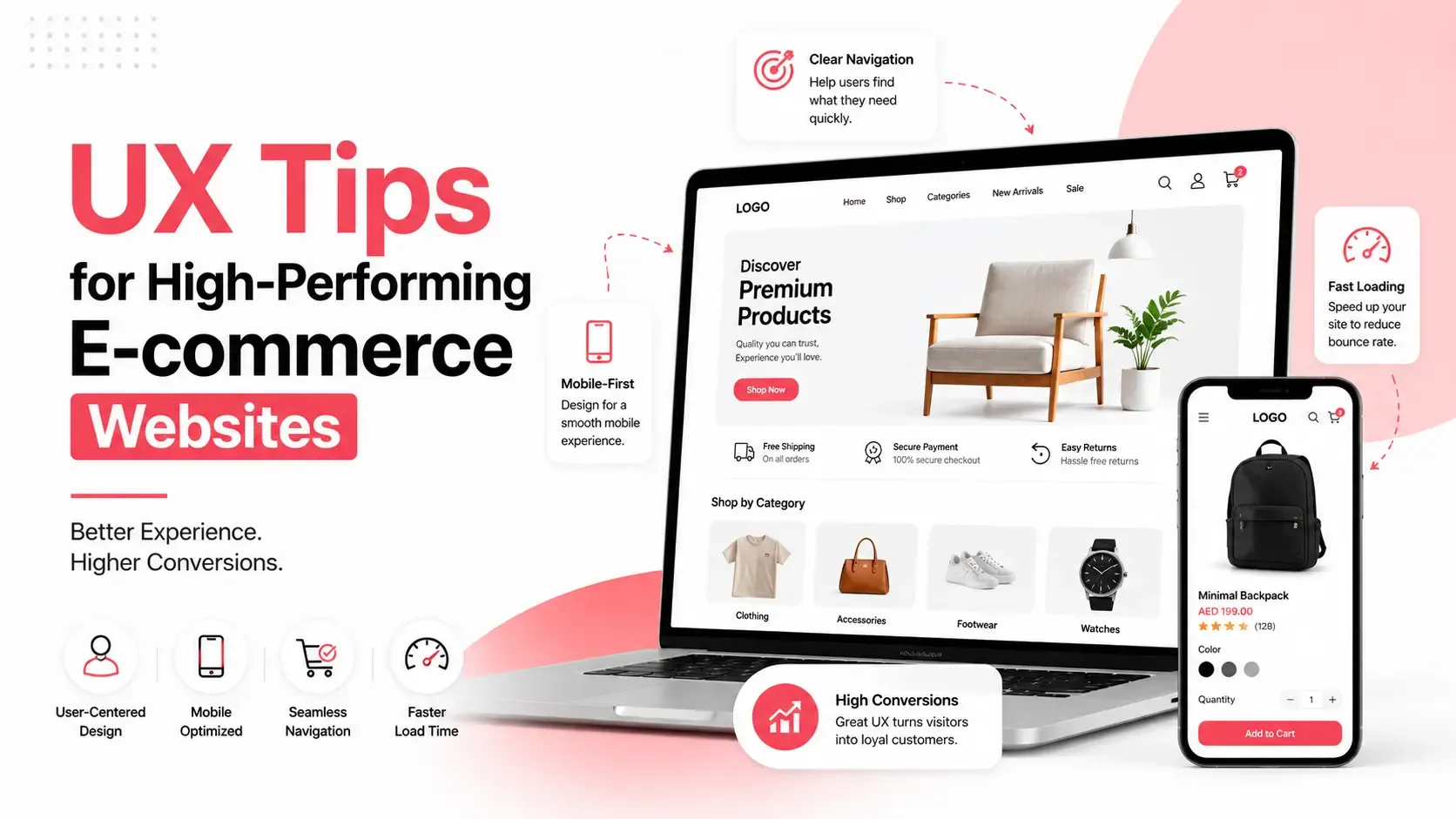
A beautiful ecommerce website does not automatically create sales.
Many online stores look visually impressive but still struggle with low conversions, high bounce rates, and abandoned carts. In most cases, the problem is not the product. It is the user experience.
Modern ecommerce users expect websites to feel fast, intuitive, and effortless to use. If browsing products feels confusing, slow, or frustrating, users leave quickly, often without giving the brand a second chance.
That is why UX has become one of the biggest factors influencing ecommerce performance today.
High-performing ecommerce websites are designed around how users actually behave. They simplify decision-making, reduce friction, and guide users smoothly from browsing to checkout.
This guide explains practical UX tips ecommerce businesses should focus on in 2026 to improve engagement, trust, and conversions.
Why UX Matters in Ecommerce
UX, or user experience, affects almost every part of ecommerce performance.
Good UX improves:
- product discovery
- customer trust
- conversion rates
- average session duration
- repeat purchases
Poor UX creates friction, confusion, and hesitation.
Even small usability issues can reduce sales significantly.
1. Prioritize Mobile-First Ecommerce UX
Most ecommerce users in the UAE now browse and shop primarily on mobile devices.
That means your ecommerce UX strategy should begin with mobile, not desktop.
Mobile UX Priorities
- fast-loading pages
- thumb-friendly navigation
- simplified layouts
- optimized mobile checkout
A website that feels smooth on desktop but difficult on mobile will lose a large portion of potential customers.
If you want a deeper breakdown of mobile usability strategy, our mobile-first website design guide explains how mobile UX directly impacts engagement and conversions.
2. Simplify Navigation Structure
Navigation should feel effortless.
Users should never feel lost while browsing products.
Strong Ecommerce Navigation Includes
- clear categories
- predictable menu structure
- easy filtering options
- visible search functionality
The faster users find products, the higher the conversion potential.
3. Improve Website Speed and Responsiveness
Users expect ecommerce websites to respond instantly.
Even small delays create frustration.
Speed Problems That Hurt UX
- slow-loading product pages
- delayed interactions
- oversized images
- heavy scripts
Fast ecommerce websites usually perform better in both user engagement and sales.
Businesses focused on improving both UX and performance often see significant gains from website speed optimization and Core Web Vitals improvements.
4. Design Product Pages for Decision-Making
Product pages should reduce uncertainty.
Users should quickly understand:
- what the product is
- why it matters
- how much it costs
- why they should trust it
High-Converting Product Pages Include
- clear product images
- concise descriptions
- pricing visibility
- reviews and ratings
- shipping information
Every missing detail creates hesitation.
5. Reduce Checkout Friction
Checkout UX directly affects conversion rates.
Complicated checkout flows are one of the biggest causes of cart abandonment.
Better Checkout UX Includes
- fewer form fields
- guest checkout options
- multiple payment methods
- mobile-friendly forms
The goal is minimizing effort between product selection and payment completion.
6. Make Search Functionality Smarter
Users who use search often have strong buying intent.
Poor search UX creates frustration quickly.
Good Ecommerce Search Includes
- autocomplete suggestions
- typo tolerance
- fast results
- relevant recommendations
A strong search experience improves product discovery and conversions.
7. Use Clear Visual Hierarchy
Good UX guides attention naturally.
Users should immediately understand:
- where to focus
- what matters most
- what action to take next
Visual Hierarchy Improvements
- clear headings
- spacing between sections
- contrasting CTA buttons
- simplified layouts
Overdesigned websites often reduce usability instead of improving it.
8. Build Trust Through Design
Users judge trustworthiness within seconds.
A professional, clean ecommerce experience improves confidence immediately.
Trust-Building UX Elements
- secure payment indicators
- customer reviews
- professional branding
- transparent policies
- visible contact information
Trust directly affects purchasing decisions.
9. Optimize Ecommerce Forms
Forms should feel quick and simple.
Long or confusing forms reduce completion rates.
Better Form UX Includes
- fewer required fields
- larger input areas
- autofill support
- clear error messaging
Users should complete forms without frustration.
10. Improve Product Filtering and Categories
Large ecommerce stores need effective filtering systems.
Helpful Filtering Options
- price ranges
- product sizes
- colors
- brands
- ratings
Filtering improves usability and helps users find products faster.
11. Avoid Excessive Popups and Distractions
Aggressive popups often hurt UX more than they help.
Too many interruptions create frustration.
Better Approach
- use popups strategically
- avoid blocking core browsing experience
- prioritize user flow over aggressive promotions
Good UX feels smooth, not overwhelming.
12. Use Better CTAs
Call-to-action buttons guide user behavior.
Weak CTAs reduce conversions.
High-Performing Ecommerce CTAs
- Add to Cart
- Buy Now
- Secure Checkout
- Get Yours Today
CTAs should feel obvious without being intrusive.
13. Optimize Ecommerce UX for Speed of Decision
Modern ecommerce users make decisions quickly.
Your UX should support fast decision-making instead of creating friction.
Helpful UX Elements
- quick summaries
- visible stock availability
- shipping estimates
- clear pricing
Clarity reduces hesitation.
14. Focus on Consistency Across the Website
Consistency improves usability and trust.
Areas That Should Stay Consistent
- button styles
- navigation behavior
- typography
- spacing
- product layouts
Consistency makes websites feel easier to understand.
15. Improve Readability for Better Engagement
Users scan ecommerce content quickly.
Better Readability Includes
- shorter paragraphs
- clean typography
- enough spacing
- scannable layouts
Readable interfaces improve engagement and reduce bounce rates.
What Actually Works in 2026
The highest-performing ecommerce websites today are not necessarily the most visually complex.
They are usually:
- fast
- simple
- intuitive
- mobile-friendly
- conversion-focused
Modern users value convenience more than flashy design.
The easier a website feels to use, the more likely users are to complete purchases.
Common Ecommerce UX Mistakes
Many ecommerce stores unintentionally reduce conversions because of UX issues.
Common Problems
- cluttered layouts
- slow mobile performance
- confusing navigation
- complicated checkout flows
- weak product page structure
Fixing these often improves engagement and sales quickly.
Why UX, SEO, and Conversions Work Together
Modern ecommerce performance is deeply connected.
Better UX improves:
- engagement
- conversion rates
- user satisfaction
- session duration
And those same improvements often support SEO rankings as well.
That is why successful ecommerce brands focus on user experience as part of their overall growth strategy.
Bringing It All Together
UX tips for high-performing ecommerce websites are ultimately about reducing friction and making the buying experience feel effortless.
From mobile-first design and faster loading speeds to simplified checkout and better product discovery, every UX improvement contributes to stronger ecommerce performance.
The ecommerce websites growing fastest today focus heavily on:
- usability
- speed
- trust
- mobile optimization
- conversion-focused design
If you are planning to improve your online store, our E-commerce Website Development in Dubai Guide explains how UX, mobile optimization, performance strategy, and ecommerce SEO work together to build scalable, high-converting ecommerce websites.
Milaaj Brandset helps businesses create ecommerce websites optimized for user experience, conversions, speed, and long-term growth.
FAQs
What is ecommerce UX?
Ecommerce UX refers to the overall user experience users have while browsing and purchasing products online.
Why is UX important for ecommerce websites?
Good UX improves engagement, trust, and conversion rates while reducing cart abandonment.
How does mobile UX affect ecommerce sales?
Most users shop on mobile devices, so poor mobile usability directly reduces conversions.
What causes poor ecommerce UX?
Slow speed, confusing navigation, cluttered layouts, and difficult checkout processes are common issues.
Why is checkout UX important?
Checkout friction is one of the biggest causes of abandoned carts.
How can navigation improve ecommerce conversions?
Clear navigation helps users find products faster and reduces frustration.
Does website speed affect ecommerce UX?
Yes. Faster websites improve usability, engagement, and sales performance.
Can better UX improve SEO?
Yes. Better user engagement and usability signals can positively influence SEO performance.
Ready to Elevate Your Brand?
Start Your Project Today